Ground‑up value creation
4→31
Row 31
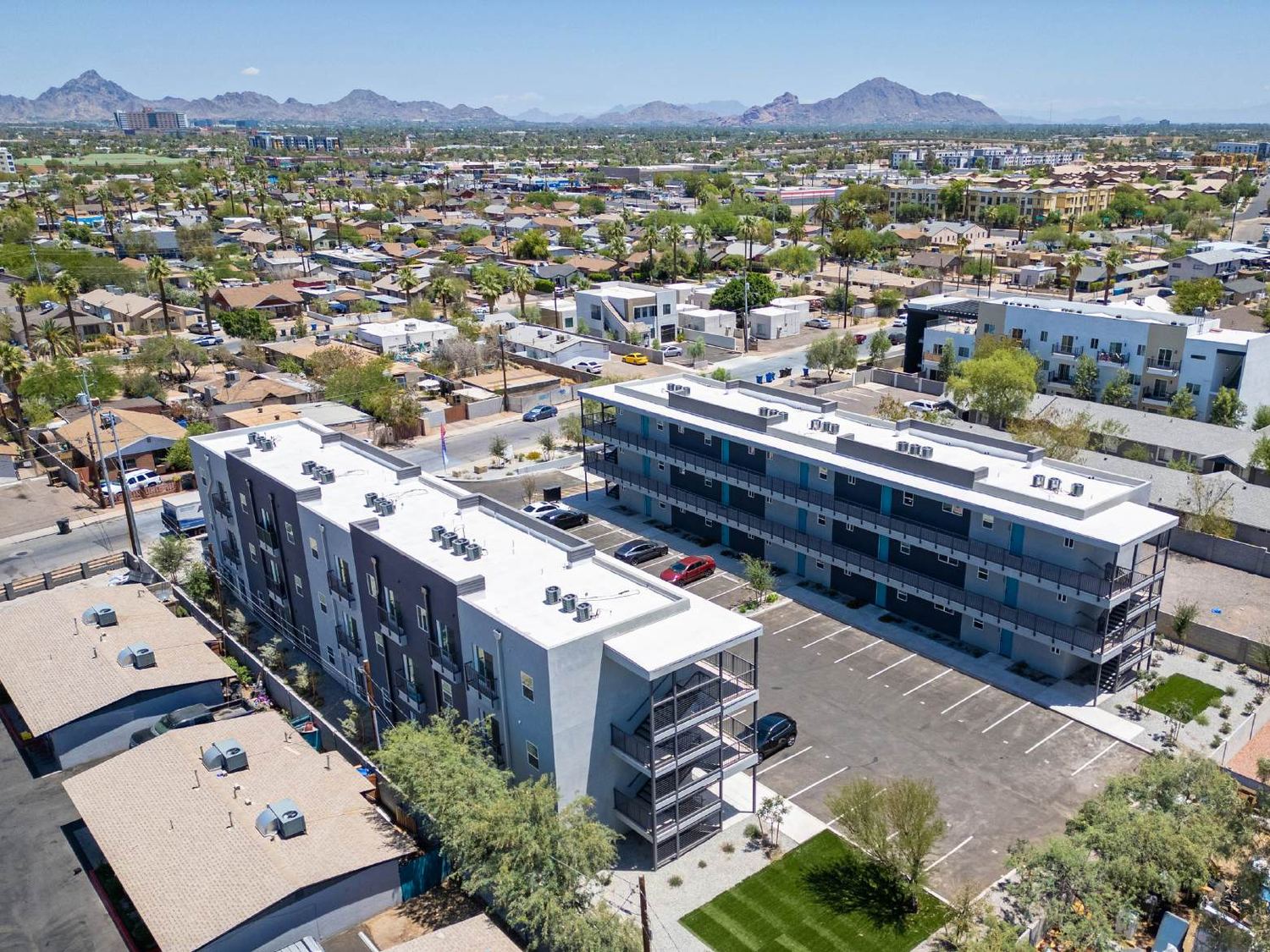
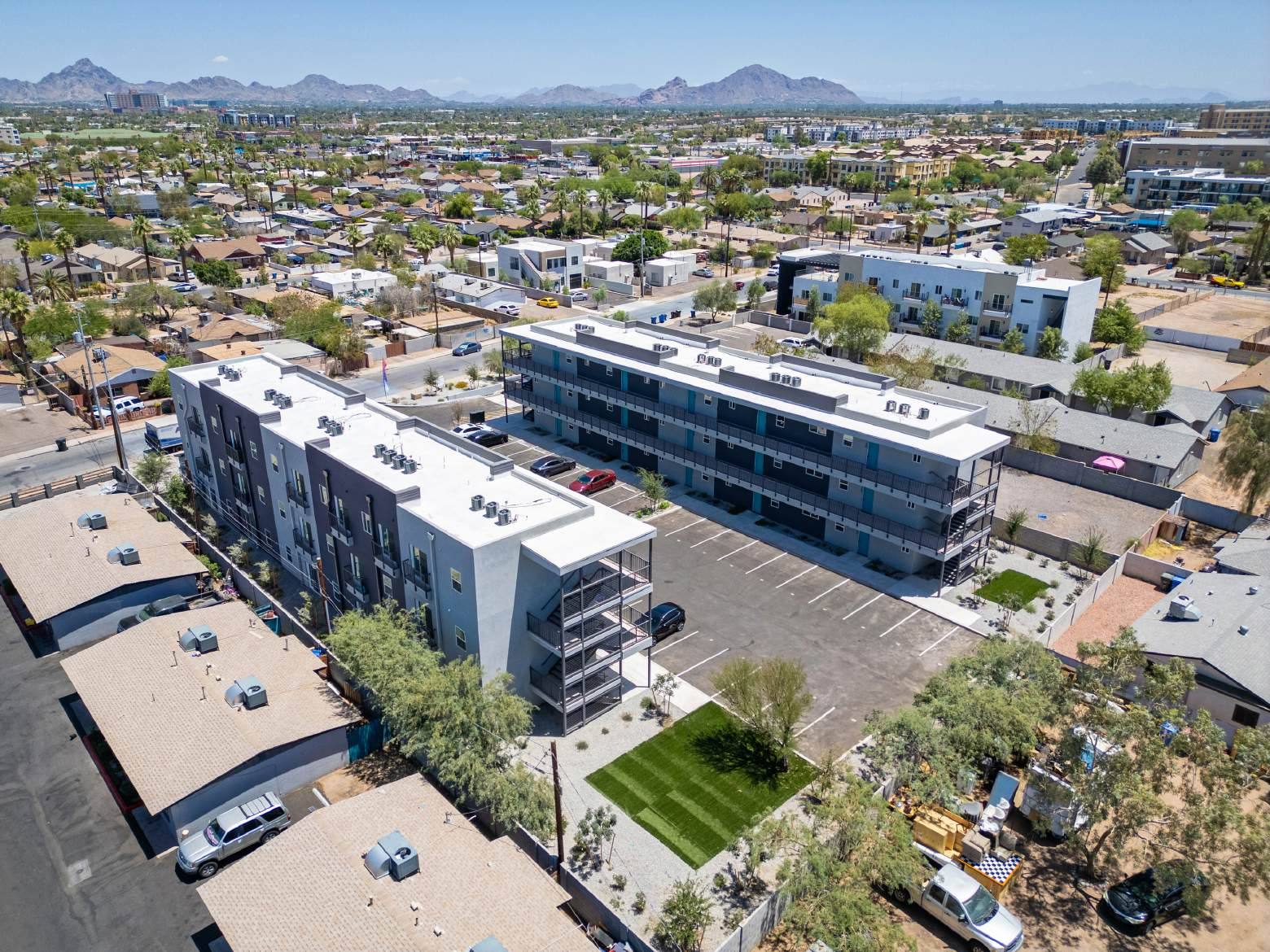
A four‑unit apartment building on 0.81 acres, brought to market as a site for 24. We entitled and delivered 31 homes on the same parcel.

A principal‑led development and acquisition firm. We work with a small number of private capital partners, on a deal‑by‑deal basis.
Our approach
Some are worth building from dirt, where a growing employment base and a genuine housing shortage justify new construction. Others hold a building that has outlived its original use and can be brought back as housing for a fraction of what new delivery costs. And some of the best opportunities are communities that already exist, owned by someone whose timeline has run out. We have delivered all three, so the site tells us the strategy instead of the other way around.
01
Land assembly, entitlement, design and construction. We take sites from raw dirt through permit, delivery and stabilization.
02
Office and student housing converted to market‑rate apartments. Buildings that no longer serve their original use are often the least expensive housing available.
03
Infill lots in established neighborhoods, built new and sold. Smaller in scale, and a useful discipline in how a finished product actually gets valued.
04
Existing communities where the opportunity comes from a maturity, a partnership deadline or an impaired basis rather than deferred paint.
Where the return comes from
We find value where others don't. Operations alone rarely create an advantage, because every competent buyer underwrites the same rents and the same expenses. The edge is in what the market has not priced yet: a parcel that carries more density than the last owner assumed, or a building whose best use is no longer the one it was designed for.
Ground‑up value creation
A four‑unit apartment building on 0.81 acres, brought to market as a site for 24. We entitled and delivered 31 homes on the same parcel.
Basis through structure
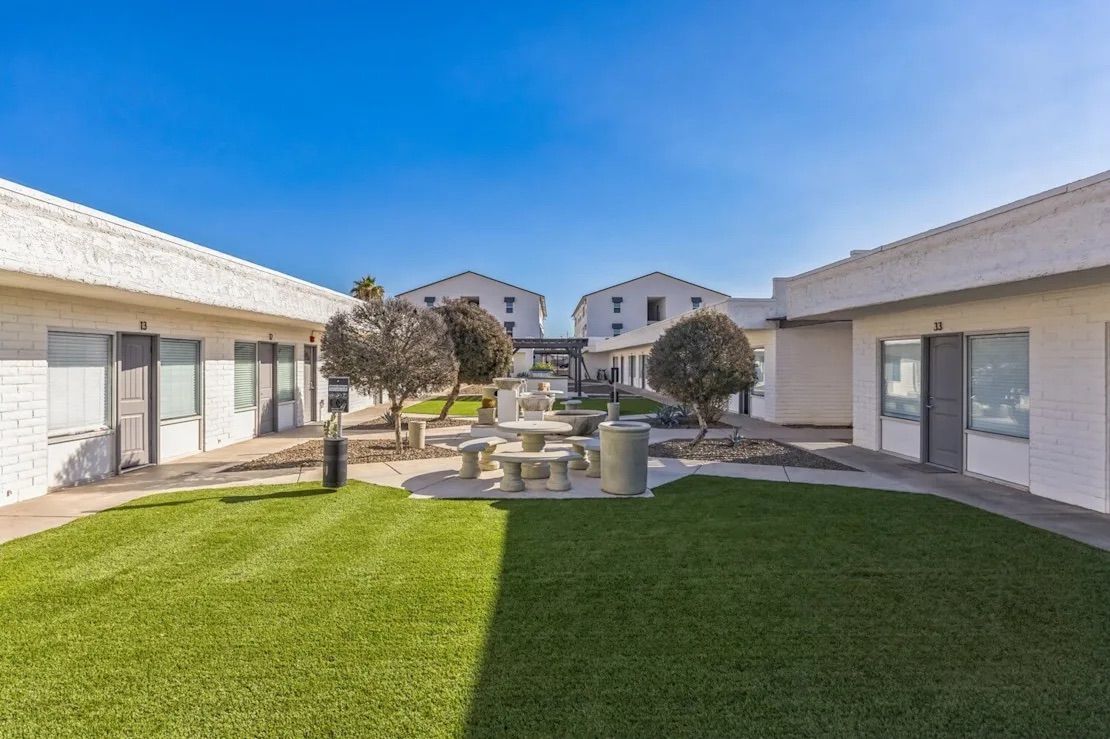
A prepayment penalty of roughly $1.8 million made a conventional sale impossible for the seller. We assumed the existing loan instead and took more than a million dollars off the price on an unchanged income stream, roughly forty basis points of cap rate.
Office to apartments
An office building that sat on the market for years while buyers kept pricing it as office. We saw housing: 44 apartments inside the existing shell and 60 more built new alongside it.
Student housing to market rate
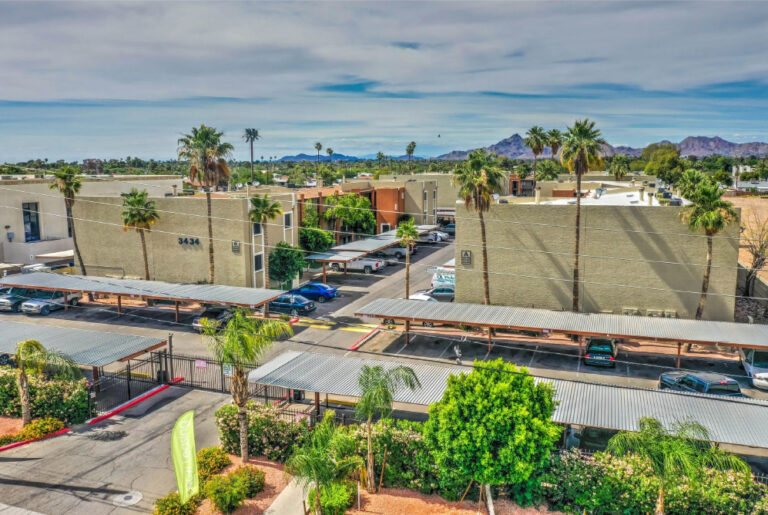
A 93‑unit property tied to a shrinking student pool and valued accordingly. Repositioned to conventional market‑rate apartments and sold.
Selected projects
Asset management
We invest where we live. Phoenix is home, so a site visit is a short drive instead of a flight, and we know how a submarket is really leasing because we are in it every week.
We build our own budget alongside the manager's instead of handing them ours, walk the properties on a set schedule, and watch the weekly numbers that show a business plan slipping before it ever reaches a financial statement. Renovation pace. Leasing velocity. Delinquency. Turn times. After twenty‑three years of running operations, we know which questions to ask and we ask them early.
The market
We are not in Phoenix because it is having a good year. We are here because the things that make a metro worth owning for decades are all pointed the same direction, and because we know the submarkets well enough to tell a good corner from a bad one three blocks away.
Maricopa County has been among the fastest‑growing counties in the United States for more than a decade. Household formation follows population, and housing demand follows household formation.
Semiconductor and advanced manufacturing investment has added a high‑wage employment layer to an economy that was once far more dependent on construction and tourism.
Industry research puts the metro's need at roughly 165,000 additional apartment homes by 2035. Even in a heavy delivery year, the region does not build at that pace.
Entitlement timelines and land basis remain workable compared with the coastal markets people are leaving. That is what makes new construction pencil here when it does not elsewhere.
Metro fundamentals as of Q2 2026: vacancy 11.3%, average asking rent $1,536, and a construction pipeline that has contracted in seven of the past eight quarters. Sources: Kidder Mathews, Northmarq, Yardi Matrix, National Multifamily Housing Council.
We are actively reviewing development land, conversion candidates and multifamily communities across the Phoenix metropolitan area. If you are a broker, lender, receiver or owner, reach out directly.